

A big problem I have with rich people is how incredibly boring they are with their money. With the exception of Jeff Bezos, who built a giant penis-shaped rocket and went on a joyride into space with William Shatner, most plutocrats piss their exorbitant wealth away on boring stuff like large boats or weird designer t-shirts.
Were I wealthy, I would have way more fun with that money, doing all sorts of eccentric activities involving blimps, hiring escorts for flash mobs, or capturing George R. R. Martin and forcing him to finish the goddamned novel.
I would definitely buy a DeLorean.
If you are somehow unfamiliar with his iconic car, it’s the stainless steel gizmo featured in Back to the Future with unnecessary pelican wing space doors:
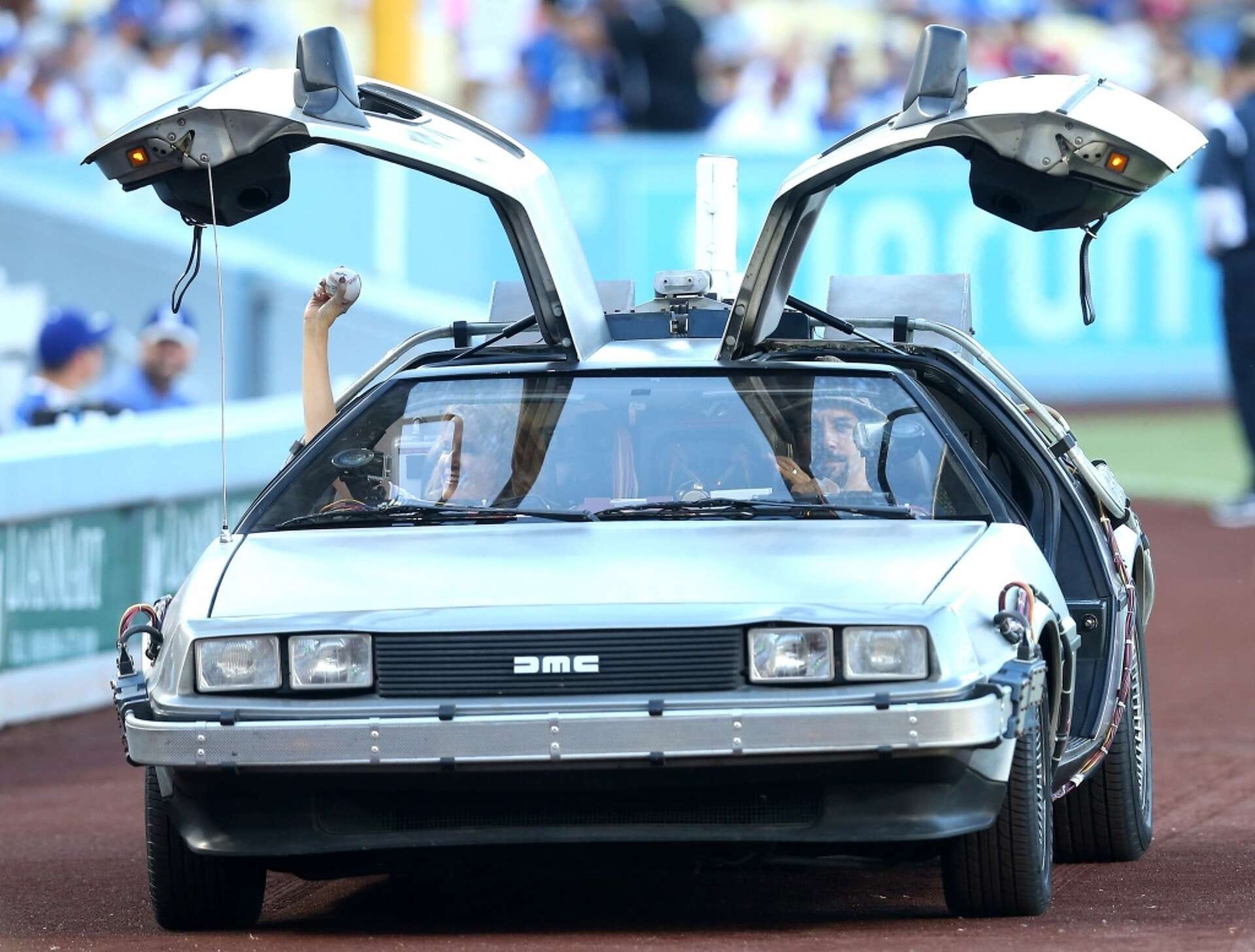
The DeLorean Motor Company was founded in the 1970s by John DeLorean, a flashy, ambitious car executive with Civil War general sideburns. He designed a line of ostentatious, expensive-looking vehicles almost certainly concocted during a coke binge.
Naturally, these American cars built by a good ‘ol fashion American car company were assembled in Northern Ireland, to soak up British subsidies, which Westminster squeezed out on the theory that if they built more factories in London-Derry, maybe the Irish would quit trying to car bomb Prince Phillip so much.
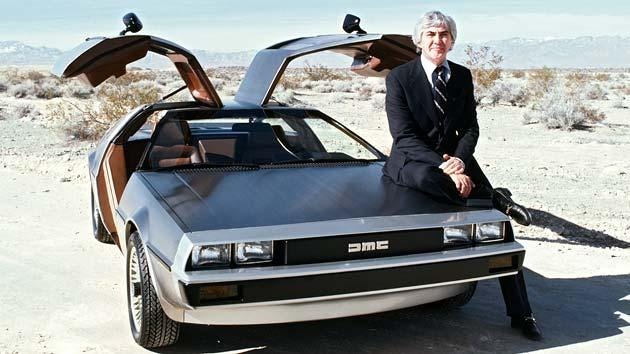
But there were some problems with the DeLorean DMC-12. Yes, it had neato swoopy doors vaguely reminiscent of entering a UFO just before the anal probe. But it cost a pretty penny, was underpowered, and had a tendency to breakdown. When the 1980s recession hit, DeLorean’s target demo of Wall Street goblins and astronauts in midlife crisis became parsimonious.
In 1982 DeLorean got caught in an FBI sting operation in a hotel room outside of Los Angeles International Airport. DeLorean had decided to expand operations slightly, to include a side business financing cocaine smuggling. The feds had video footage of him arranging a deal for 59 pounds of coke, but fortunately for DeLorean, his lawyers convinced the jury that the FBI had entrapped him due to his desperation to save his shiny seagull flap car company.
John DeLorean went free, and naturally drifted into designing monorails. But DeLorean Motor Company was dead, having produced 9,000 curious cars which looked like if a refrigerator fell in love with an Atari.
And that would have been the end of it, were it not for the glorious film, Back to the Future:

Today, there are about 6,000 of these babies in the United States. Most of which, I assume, are in parking lots at Comicon or Burning Man, where affluent nerds hope to somehow leverage them into sex with cosplay girls. They are very expensive.
Which brings us to the housing crisis.
You Can’t Fix Things by Throwing Money At Them
Let’s say the cops bust a lot of these nerds on spurious crypto charges or NFT fraud or maybe a solid cocaine sting operation, seize their assets, and sell their confiscated DeLoreans at auction.
There are now 100 DeLoreans at the police auction. There are 500 people who are all at the auction, desperately hoping to purchase a DeLorean in hopes they can bang a green girl at Comicon.
What happens?
Left to their own, the nerds will compete with each other over the limited amount of fighter-jet-dune-buggy cars, and by doing so bid up the price of the DeLoreans to $50,000.
The end result will be 100 nerds who spend an exorbitant amount of money to get cars with lasertag aristocrat doors, and 400 carless nerds who slink back to their apartments to blog about it. They didn’t have sufficient boodle to win the bidding war.
Now let’s say that the police take pity on all the rideless nerds. They rightly identify that the losers didn’t get any DeLorean action because they didn’t have enough money to win the auction.
So, they introduce a DeLorean Subsidy. To try to help out all these poor saps who got flushed out the bottom of the auction, they’re going to give everyone a $10,000 car voucher that they can use for vehicular purchases.
Now what happens? Because there are still only 100 DeLoreans, and 500 nerds, the outcome is going to be the same. The only difference is, now everyone in the auction has an extra $10,000 of fun money to bid with. Instead of costing a mere $50,000, a DeLorean now costs $60,000.
The outcome is the same, with the affluent nerds nabbing the aluminum eagle wing cars, and the poor nerds going home by Lyft. The difference is that now the guys selling the DeLoreans got an extra $10,000 out of the police fund. The car vouchers didn’t help anyone obtain scare goods; it just gave extra money to the sellers.
The price of a DeLoreans is now higher than when we started. Buying a DeLorean looks even more unobtainable for impoverished nerds than it already did. Having a car with robot angel wing doors is that much further from grasp.
Now swap “DeLoreans” with “housing.”
There are X amounted of houses and Y amount of people who want one. If Y exceeds X, then no amount of subsidies can fix the problem. In fact they make it much worse—by pumping money into the system (increasing demand) without more housing units (supply) the price goes up. Because supply and demand is never, ever optional.
Mortgage interest deduction, property tax deduction, FHA loans, and capital gains exclusion on home sales are all subsidies to purchase homes.
In America we like to throw money at things through the back end via the tax code, so that feckless Republicans can pretend they’re against spending. But it’s the same thing—tax breaks are just the flipside of subsidies. They’re demand-side.
All of these subsidies are just fancy ways of giving auction coupons at an auction. They don’t make it easier to buy a home, they just transfer wealth from taxpayers to sellers, increasing prices along the way.
In a functional market, an increase in demand will spur an increase in supply, because businesses will see the high profit margin and want to get in on it. But housing is not a functional market. Minimum lot sizes, height restrictions, and single family zoning mean that most cities artificially cap the amount of housing you can legally build.
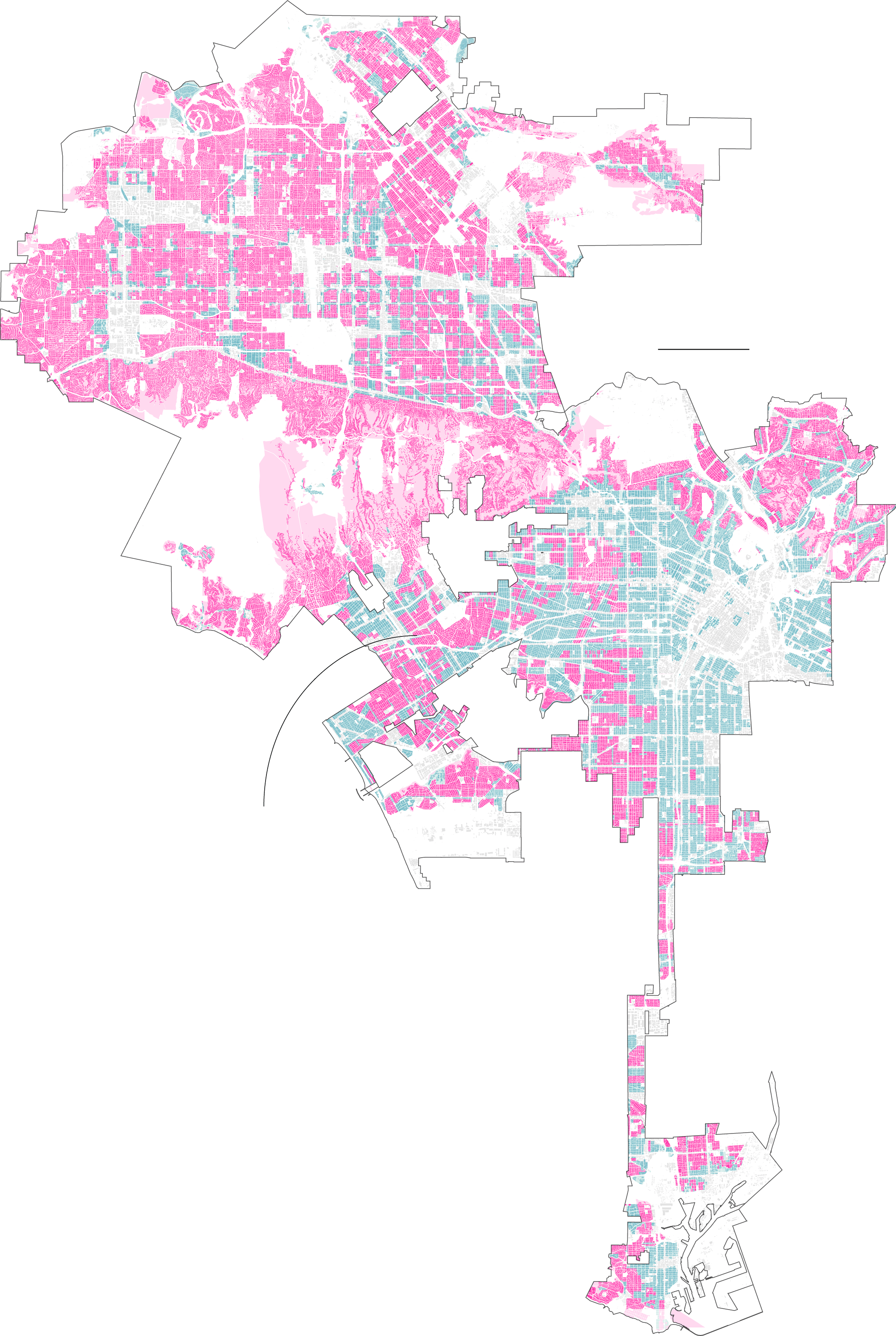
The below looks like a knee injury, but it’s actually a map of Los Angeles. The pink sections are where it’s illegal to build duplexes or apartment buildings. Every major US city has pink areas like this, where governance is oriented around restricting the housing supply as much as possible.
You Can’t Solve Rent with Rent Control
While there are demand-side subsidies for the rental market, the preferred way politicians and voters ignore supply and demand is through rent control. The idea being, “Rent is too high; outlaw high rent.”
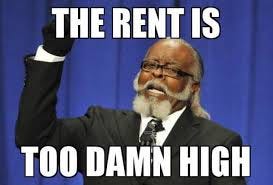
It’s a price control, but for rent. This is an easy sell, because landlords are a villainized class, so rent controls are seen as leashes on their avarice.
Let’s go back to the DeLoreans. One of the nerds from the auction purchased 50 of these silvery batwing cars. He now leases them out to nerds for birthdays and astronauts for midlife crises. They go for about $400 per day. Part of that high price is that they’re a luxury good, but were we to investigate his company, we’d find they also pay a very high insurance premium, and they’re very expensive to maintain, what with being shitty cars.
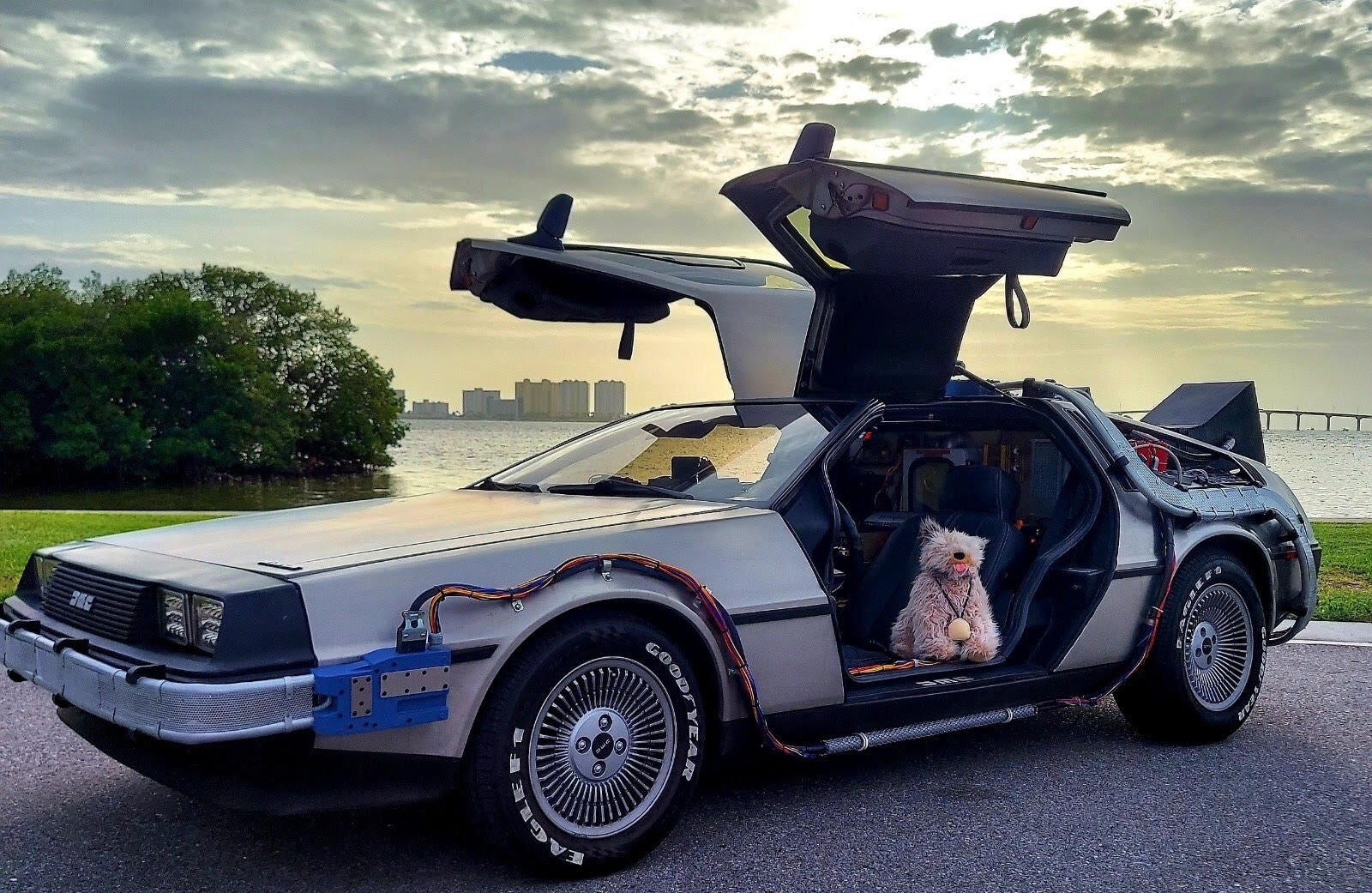
The local government decides to help out some of these poor nerds by designating part of his fleet as price controlled. Ten of his fifty DeLoreans must be rented out at no more than $100 per day. To help the little guy.
What happens?
If the lease is capped too low, the car rental dork won’t rent the car out at all. If $100 is enough to make a profit, he will. But let’s say insurance plus maintenance runs $110 per day. He will be losing money by renting it. So he won’t.
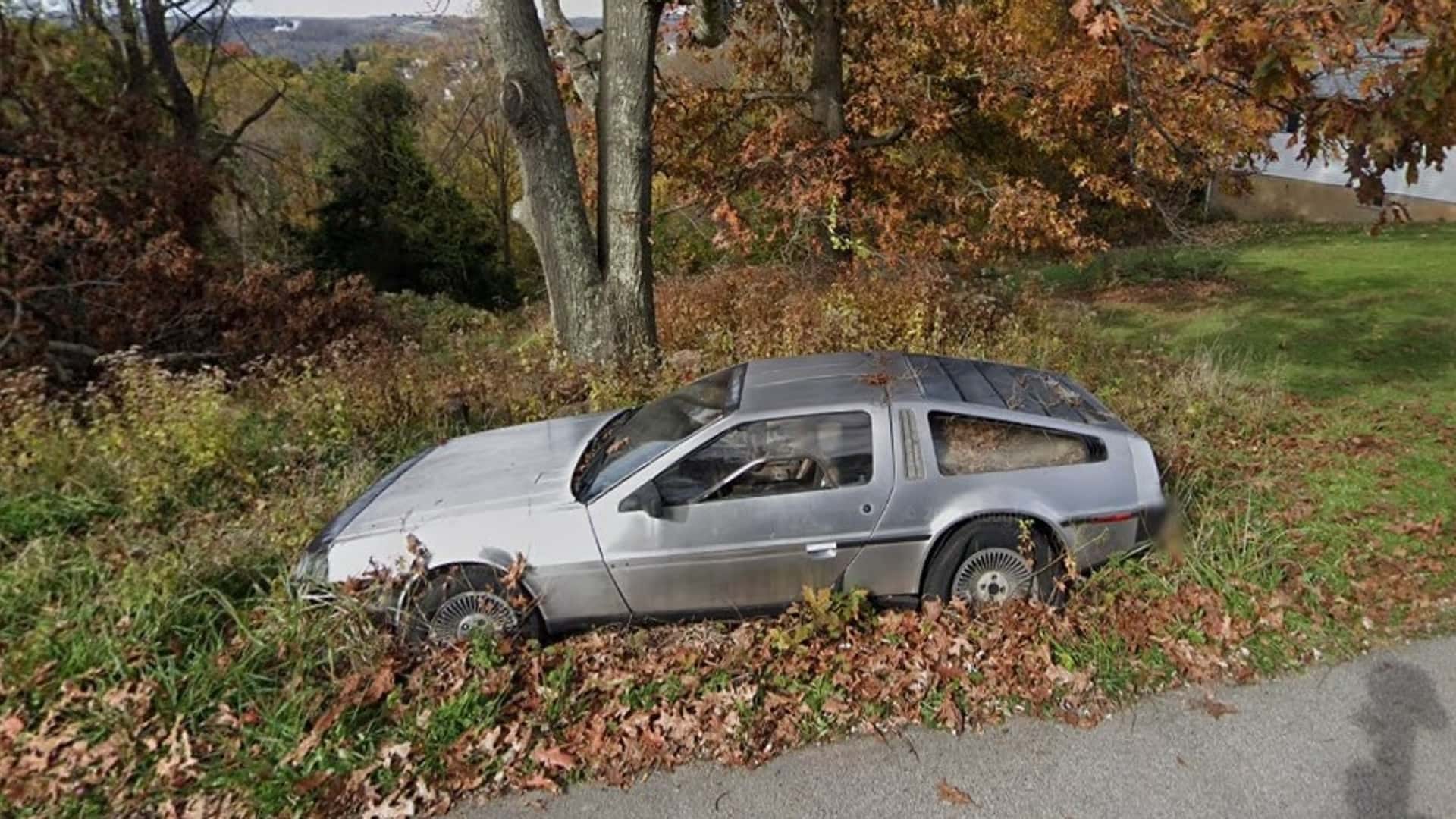
There are 50,000 “ghost apartments” in New York City right now. Apartments where landlords are forbidden to charge enough to cover expenses, so they don’t. It’s cheaper for them to keep things vacant than to have to cover maintenance at a loss. That’s 50,000 less housing units on the market—which makes all other apartments that much more expensive.
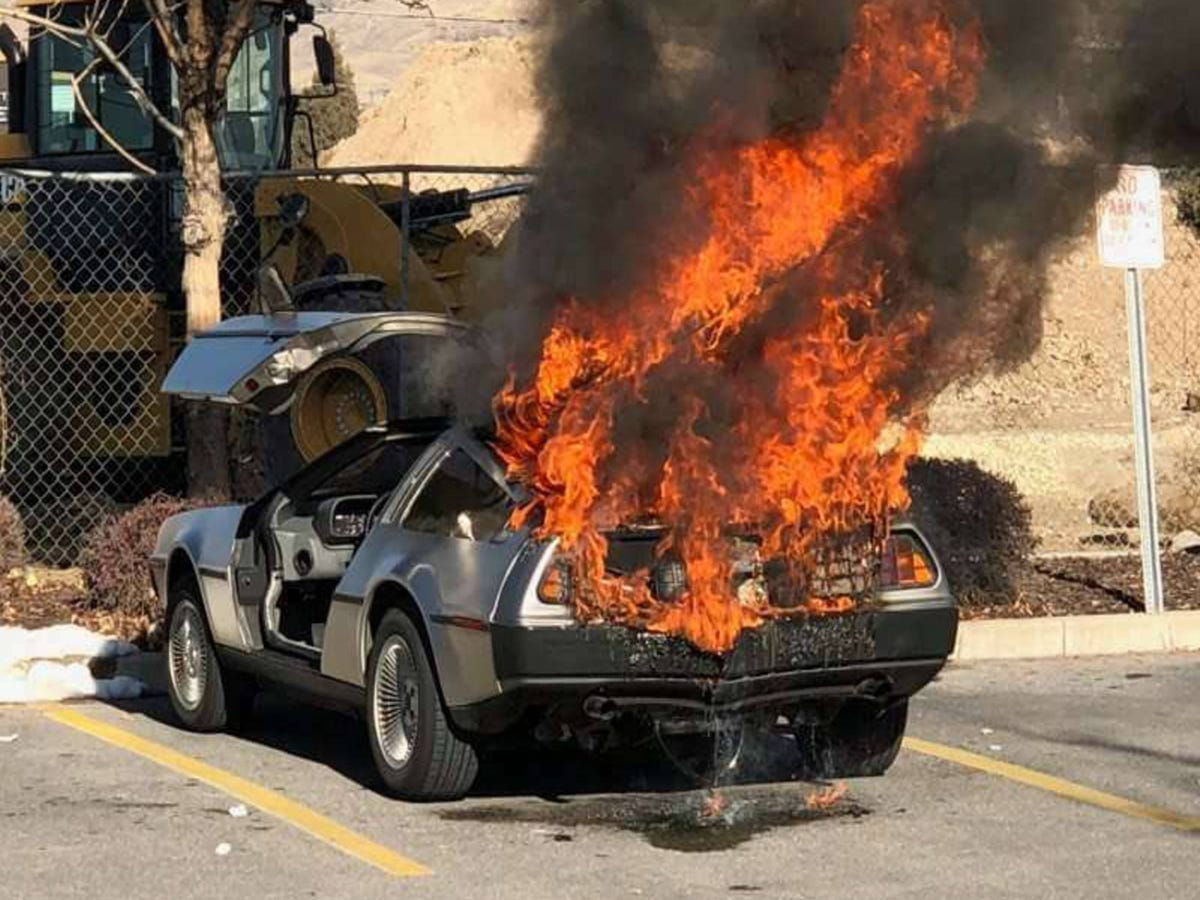
Maybe car dork can make a little money renting out the DeLorean at an artificially low price. He will just delay repairs, skimp on upkeep, stop replacing parts. The flux capacitor lights no longer work. There are interesting stains in the back which take weeks to fix. The car still operates, it’s just much less pleasant. Or maybe it catches fire.
The price control will almost certainly create a reduced mobility problem. Under normal circumstances, your average nerd will rent a DeLorean for a couple of weeks, to cruise around mall parking lots when a new Star Wars film drops. After that it’s too expensive. If the cost is severely discounted, they’ll just sit on it. Now the lucky guy with the cheap lease keeps it in his garage for months at a time, doing nothing, and only takes it out for parades.
New York City has 175,000 apartments where one person occupies four or more rooms. Mostly older people in rent-controlled apartments. In San Francisco, which also has robust rent control laws, a study found about half of its rent-controlled apartments had only one person living in them. That’s great if you’re the lucky person with the lease, but it precludes three or four other people from using the same space—who either can’t live in the city, or have to pay higher rent to do so.
We might create a black market lease problem. If I’m lucky enough to snag one of those $100 leases, I’m going to turn around and rent it to you for $350.
Or, if the lease caps only apply to “low-income car renters,” maybe he will shift his DeLorean business to luxury products instead.
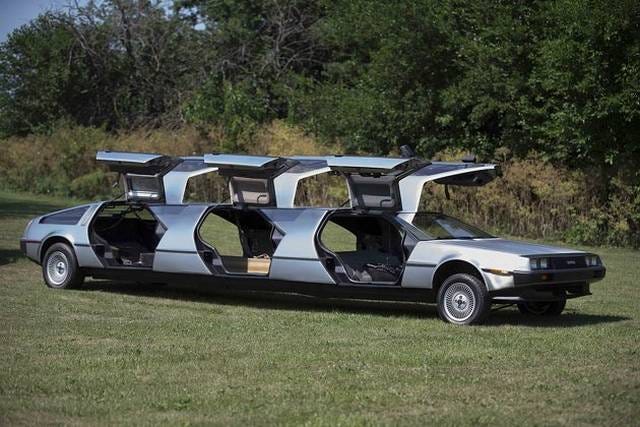
Probably what the car rental guy will do is raise the prices on all the cars which don’t have price controls on them. They were $400 a day. Now they’re $475.
Just assume in every single economic scenario, ever, on this or any planet, that when you increase costs to a business, they are more apt to fire employees or raise prices on consumers than the CEO or stockholders saying “Dang! I guess I’ll take a pay cut.”
Businesses do not think like sophomores at a Bernie Sanders rally, separating taxes into just or unjust categories. All costs are just costs, same as if gasoline goes up. Businesses pass costs onto consumers, or cut back on employees, before cutting back on dividends.
Yes, there are still those cars rented out at $100 per day. But do they actually benefit the poor people we’re rooting for? When the government tells him he can only rent those particular cars at an artificially low price, car rental dork thinks “Uh-oh, that means poor people. Poor people are prone to defaulting. What if one of these impoverished nerds can’t pay up?”
So he doesn’t rent it to a poor person. He rents it to someone who could have afforded it at normal prices anyway, who he is confident will make the rental payment. The end result is not the little guy gets a helping hand, it’s that a wealthy person gets a subsidy they didn’t need.
Or, maybe he just rents it out to those cosplay hotties from earlier. Or his cousin. Or the Marty McFly impersonator he smokes pot with.
The DeLorean rental is then allocated according to social access instead of price—but still not need.
At best, it’s allocated by luck. There are dozens, if not hundreds, of poor nerds who would like to borrow the DeLorean at a discount, and so apply to the leasing waitlist. Let’s say car rental guy is scrupulous about only giving the discounted lease to low-income nerds; he doesn’t pull favors or just give the windfall to a safe bet rich dude. The lease is then randomly assigned within the pool of deserving applicants.
This means that, under ideal circumstances, we have replaced a price system with a lottery. I understand why that appeals to many people. Allocating resources by luck feels intuitively fair compared to allocating resources according to who has the most money.
Even so, the price system is better. Because the price system is one in which the car rental guy will build, steal, or purchase additional DeLoreans. Under a lottery system, he won’t.
If the city says “For every ten DeLoreans you rent out, you need to set one aside at a discount for poor nerds,” he might say, “Well, I just won’t buy any more DeLoreans, then. I can make more money selling TARDIS replicas, or building Tron-themed escape rooms, or start a Battlestar Galactica-themed Only Fans knockoff. So I’ll just do that instead.” When Santa Monica, California instituted price controls in 1979, building permit requests declined by 90%.
It’s A Supply Problem
Ultimately anything you purchase with money is in a vast, never-ending auction we call “the economy.” Like it or not, housing and everything else is subject to Supply and Demand.
That means you can’t subsidize home purchases to make them cheaper—you’re just increasing demand, but not supply, which results in a higher price.
You also can’t ban high rental prices—that reduces supply, and results in scarcity.
Ultimately if you want cheaper DeLoreans, you just have to make more Deloreans. If you want cheaper housing, you need more houses.
Me? I want both.
“Are you telling me you built a time machine… out of a 3-bedroom 2-bath split-level ranch?”
Lovely rant, good analogy. One thing: you said "The car vouchers didn’t help anyone obtain scare goods; it just gave extra money to the sellers." Pretty sure you meant 'scarce'